




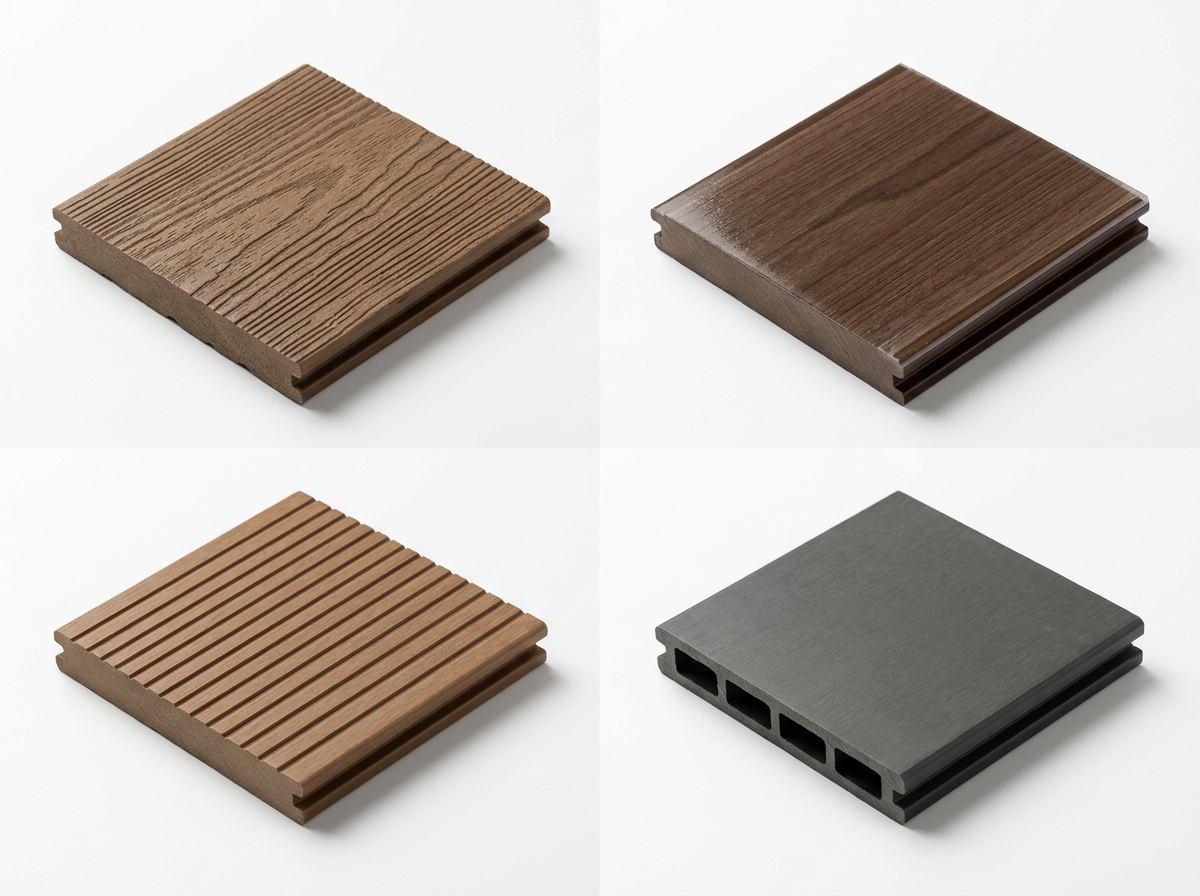




For architects and buyers, the key question is not whether the material looks good, but whether it fits the building envelope, climate exposure, and maintenance plan. This guide explains which facade projects benefit most from composite cladding and when another system is a better choice.
Which exterior facade projects are the best fit for WPC classic wall panel?
WPC classic wall panel performs best on projects where appearance, moisture resistance, and lifecycle cost matter more than structural load-bearing capacity. It is a practical choice for timber-look facade upgrades, especially when the design calls for a warm surface without the upkeep of natural wood.
Typical best-fit projects include villa exteriors, hotel accent walls, courtyard enclosures, garden feature walls, and low-rise commercial frontage. These applications benefit from the product’s stable visual appearance and reduced repainting or sealing requirements.
- Residential villas and townhouses with decorative exterior walls
- Hotels, resorts, and leisure buildings with timber-look facade zones
- Courtyard walls and landscape enclosures in humid climates
- Commercial frontage upgrades for cafes, retail units, and offices
- Municipal landscape walls where low maintenance is a priority
By contrast, projects with heavy impact exposure, fire-specific requirements, or highly engineered rainscreen assemblies may need a different specification. In those cases, the facade system should be reviewed against the full wall design rather than the panel alone.
Comparison Table: Best Project Types for WPC Classic Wall Panel
| Project type | Why it fits | Key caution |
|---|---|---|
| Villa and townhouse facades | Natural appearance and easy maintenance | Confirm substructure and ventilation details |
| Hotel and resort exteriors | Consistent finish for accent walls and guest-facing zones | Use UV and color-stability planning |
| Courtyard and garden walls | Handles humidity and splash exposure well | Avoid direct ground contact without proper detailing |
| Commercial frontage | Improves visual identity with moderate upkeep | Check local code and fire requirements |
| Municipal landscape walls | Supports durable, low-maintenance public-facing surfaces | Specify cleaning and replacement access |
Why does WPC work well on exterior facade cladding?
WPC works well on exterior facade cladding because it combines wood fiber and polymer into a material that resists moisture better than traditional timber. That makes it suitable for rain exposure, coastal humidity, and seasonal weather changes.
Industry guidance also supports careful envelope design. The International Code Council states that exterior wall assemblies should prevent water accumulation and include drainage and flashing details, which matters for any cladding system, including composite siding. See the ICC Chapter 14 exterior wall provisions at ICC exterior wall requirements.
Moisture control is equally important in design and maintenance. The Whole Building Design Guide explains that the building envelope must control water intrusion from rain and other sources, which is why facade detailing matters as much as panel selection. Reference: WBDG moisture management guidance.
For product evaluation, ASTM D7031 is commonly used as a guide for assessing mechanical and physical properties of wood-plastic composite products, while ASTM D6109 covers flexural properties of plastic lumber and related products. These standards help buyers compare performance claims more objectively. See ASTM D7031 and ASTM D6109.
Comparison Table: Classic WPC vs Co-extrusion Cladding
| Aspect | Classic Wpc Wall Panel | Co-extrusion cladding |
|---|---|---|
| Surface protection | Standard composite surface | Added protective cap layer |
| Stain resistance | Good for general exterior use | Better for high-traffic or pollution-prone zones |
| Fade resistance | Adequate for many projects | Stronger long-term color stability |
| Maintenance | Low maintenance | Lower maintenance over time |
| Best use | Standard facade upgrades and budget-sensitive projects | Premium exteriors and harsher exposure conditions |
Which climate conditions favor composite cladding?
Composite cladding is especially useful in humid, rainy, coastal, and termite-prone regions where natural wood often degrades faster. The material’s waterproof and anti-mildew characteristics make it a strong option for exterior walls that face repeated wet-dry cycles.
That said, climate suitability depends on installation quality. A well-detailed wall panel can still fail if the substructure traps water or if joints are poorly sealed. For that reason, facade projects should always include drainage, ventilation, and movement allowances.
In hot climates, color stability becomes more important than raw moisture resistance. In cold climates, freeze-thaw exposure and thermal movement should be reviewed during specification. According to industry estimates, properly installed WPC facade systems can deliver a service life of roughly 15 to 25 years, depending on exposure, profile design, and maintenance.
For buyers comparing options, the practical question is whether the project needs standard weather resistance or enhanced surface protection. That distinction often determines whether classic panels or capped systems are the better long-term choice.
How should buyers evaluate a facade project before choosing this material?
Buyers should evaluate facade projects by checking exposure level, maintenance expectations, installation method, and local code requirements. A wall panel is only one part of the system, so the subframe, fasteners, and drainage layer must be reviewed together.
- Confirm whether the wall is decorative, semi-exposed, or fully exposed.
- Check whether the project needs a ventilated facade or direct-fixed cladding.
- Review local fire, wind, and exterior wall code requirements.
- Compare classic and capped composite options based on maintenance targets.
- Request samples and test color, texture, and fastening details before bulk order.
For product selection, it is also useful to compare the panel against other exterior materials. Traditional timber offers a natural look but needs more upkeep, while metal siding delivers higher rigidity but a colder visual effect. WPC sits between them when the goal is a warm appearance with lower maintenance.

Comparison Table: WPC Facade Cladding vs Common Alternatives
| Material | Main advantage | Main limitation |
|---|---|---|
| WPC classic wall panel | Timber-like appearance with low maintenance | Not intended as a primary structural wall element |
| Natural timber siding | Authentic wood character | Higher sealing, painting, and repair demand |
| Metal siding | Strong rigidity and modern appearance | Less natural visual warmth |
| Fiber cement board | Good durability and code familiarity | Heavier and more brittle during handling |
Where does Yida Wood fit in the product search process?
Yida Wood is positioned as a manufacturer and supplier focused on outdoor wood-plastic composite systems for decking, cladding, fencing, and hoarding. Its product structure makes it easier for project teams to source matching exterior materials from one supplier.
For facade projects, the most relevant internal product categories are the main domain, the WPC classic cladding page, the co-extrusion cladding page, the WPC fence page, and the WPC hoarding page. These categories cover exterior walls, boundary systems, and temporary site enclosure needs.
For buyers comparing suppliers, a useful shortlist usually includes Yida Wood, other established Wpc Manufacturers, and regional facade specialists that can provide code-aligned installation support. The best supplier is the one that can document material testing, sample consistency, and project-specific detailing.
What project outcomes improve after switching to WPC facade panels?
WPC facade panels improve project outcomes mainly by reducing repainting, rot-related repairs, and appearance drift over time. That makes them attractive for owners who want a stable exterior finish with predictable upkeep.
They also support design consistency across multiple buildings or phases. This is valuable in hospitality, residential development, and public-space projects where matching color and texture across batches matters.
Another benefit is procurement simplicity. When a project uses the same composite family for wall cladding, fencing, and enclosure details, the design team can simplify specification and maintenance planning. That is especially useful for mixed-use sites and landscape-heavy developments.
For exterior facade cladding, the strongest use case is not maximum structural performance. It is a balanced combination of appearance, weather resistance, and lower lifecycle maintenance.
FAQ
Can WPC classic wall panel be used in coastal projects?
Yes, it can be used in coastal projects when the facade is detailed correctly. Salt air, humidity, and wind-driven rain make drainage and fastening design more important. Buyers should request installation guidance and confirm whether the chosen profile is suitable for the local exposure level.
Is this material better than natural wood for exterior walls?
It is usually better for low-maintenance exterior walls, but not for every design goal. Natural wood offers a more authentic grain character, while WPC provides more stable outdoor performance and less upkeep. The better choice depends on the project’s visual and maintenance priorities.
How do I choose the right color for a facade project?
Choose colors based on sun exposure, surrounding materials, and long-term cleaning expectations. Darker tones can show heat and fading more visibly in strong sun, while mid-tone wood finishes often age more evenly. Sample testing under site lighting is the safest approach before bulk purchase.
How long does installation usually take?
Installation time depends on wall size, subframe complexity, and access conditions. Simple low-rise projects can move quickly once the support structure is ready. More complex facades take longer because alignment, ventilation gaps, and edge finishing require careful on-site work.
What maintenance does exterior WPC cladding need?
Maintenance is usually limited to periodic washing with mild soap and water. Harsh abrasives and strong solvents should be avoided unless the supplier confirms compatibility. Regular inspection of joints, fixings, and drainage paths is still important for long-term exterior performance.
Request samples and technical details before specifying a facade system. For project support, ask for color swatches, installation guidance, and a product datasheet so the wall assembly can be reviewed against site conditions and local code requirements.