





Are WPC Garden Fences the Future of Outdoor Decor?
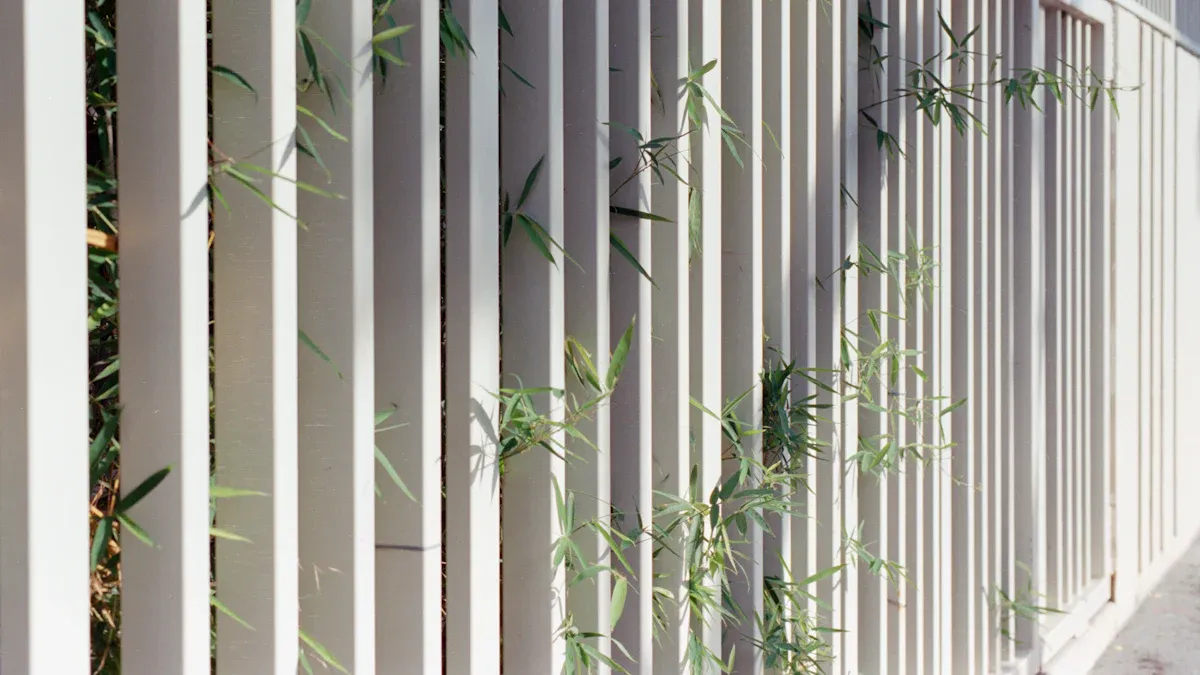
You will find Wpc Garden Fences are a top choice for modern outdoor areas. They combine beauty, strength, and eco-friendliness. This makes them a strong option for future outdoor decor. A WPC garden fence offers a better, green alternative to old fence types.
Key Takeaways
- Wpc Fences last a long time. They do not rot or get bugs. They stay strong for many years.
- WPC fences are easy to care for. You only need to clean them with soap and water. You do not need to paint them.
- WPC fences are good for the Earth. They use recycled wood and plastic. This helps the environment.
The Unmatched Advantages of WPC Garden Fence

Superior Durability and Longevity for Your WPC Garden Fence
You want a fence that stands the test of time. A WPC garden fence offers superior durability and longevity. This material combines the best of wood and plastic, creating a robust barrier for your outdoor space. You will find WPC fences resist common issues that plague traditional materials. They do not rot, splinter, or suffer from insect infestations.
Consider the lifespan of different fencing materials:
| Material | Lifespan (Years) |
|---|---|
| Wood | 5–15 |
| WPC | 15–25+ |
| PVC | 20–30 |
| Metal (Aluminum/Steel) | 25–50 |
A high-quality WPC fence typically lasts between 15 to 25 years. This is with proper installation and minimal care. Some premium WPC products can even exceed 30 years. These products have advanced UV protection and weather-resistant additives. WPC fences offer a great balance of strength and good looks. They resist rot, insects, UV damage, and moisture. This makes them a long-lasting solution for your garden. In fact, composite fencing, made from durable WPC material, has an average service life of over 20 years.
Minimal Maintenance for a Lasting WPC Garden Fence
You will appreciate how little effort a WPC fence requires to stay looking new. This material frees you from constant upkeep. You do not need to paint, stain, or seal it regularly.
WPC fences only need occasional cleaning with soapy water to maintain their appearance. They won’t rot or splinter, and they resist staining from dirt and algae.
This means you spend less time on chores and more time enjoying your garden. For general upkeep, you can follow simple steps:
- Use mild dish soap mixed in warm water.
- Utilize a garden hose to clear loose dirt and debris.
- Gently scrub the fence surface with a soft brush or cloth-type sponge and soapy water. This removes dirt, pollen, and water stains.
- Rinse the fence again with fresh water from a garden hose to remove any soap residue.
For stubborn stains, you have specific solutions:
- Food Spills, Grease, and Oil: Use soapy, warm water with a soft-bristled brush. A degreasing detergent may be necessary for tougher oil stains.
- Mold & Mildew: A diluted vinegar solution works well.
- Tannin Stains: These often require specialized composite cleaners or an oxalic acid-based deck brightener. Always follow manufacturer guidelines.
- Post-Specialized Cleaning: Always clean the surface with mild soap after using specialized cleaning agents.
You should avoid certain cleaning methods. Do not use high-pressure washing, as it can damage the composite surface. Instead, use a garden hose or low-to-medium-pressure spray patterns. Also, avoid harsh chemicals, bleach, acetone, or wire brushes. These can cause color fading or surface damage. Stick to WPC-safe cleaners recommended by the manufacturer.
Eco-Friendly and Sustainable WPC Garden Fence Solutions
You make an environmentally responsible choice when you select a WPC garden fence. These fences are a testament to sustainable manufacturing. They help reduce waste and conserve natural resources.
WPC materials, especially those from leading brands, contain a high percentage of recycled content. For example, some products are composed of 95% recycled content. This includes reclaimed hardwood, softwood fibers, and plastic film. This process diverts over 500 million pounds of plastic and wood from landfills each year. WPC materials significantly contribute to environmental impact reduction. They utilize post-consumer plastics and wood waste. You can feel good knowing your fence helps protect the planet.
Aesthetic Versatility of WPC Garden Fence Designs
You can truly personalize your outdoor space with the aesthetic versatility of WPC fence designs. This material offers a wide range of looks to match any style. You are not limited to a single appearance.
You can choose from many colors and textures:
- Colors:
- Classic Wood-Like Colors: Light Oak, Teak, Walnut, Cedar, Mahogany mimic natural wood grains.
- Neutral and Modern Colors: Slate Grey, Charcoal, Black, White, Beige pair well with modern designs.
- You can also find dual-tone options. These panels have reversible designs for different shades on each side.
- Textures/Types:
- Superior Series – Co-extrusion Fencing Board: This features a sleek finish with enhanced durability. It resists weather, scratches, and stains.
- Classic Series – 3D Embossed Fencing Board: This offers a natural wood-like texture with a 3D embossed surface. It provides depth and visual appeal.
- Standard Series – 1st Generation Fencing Board: This has a simple, smooth finish, representing the original composite fencing.
Beyond colors and textures, WPC fences integrate into modern design trends. You can create an industrial chic look by combining WPC with metal elements. You can also integrate urban greenery. Built-in planters in WPC panels allow for living walls. These walls can feature vines, flowers, or herbs. This enhances both beauty and sustainability. Illuminated panels are another option. Adding LED lighting to WPC fence panels transforms outdoor spaces at night. This lights up pathways or creates a captivating atmosphere.
You can also explore other design trends:
- Modern Minimalist: This features clean, straight lines with uniform spacing. It often uses horizontal slats or solid panels for a streamlined look.
- WPC Fencing with Custom Patterns: This allows for creative expression. You can have geometric, chevron, herringbone, or laser-cut designs. This turns your fence into a work of art.
- WPC and Glass Combination: This combines WPC with glass panels for a modern, stylish fence. It maintains views while offering privacy. Frosted glass can provide extra privacy.
- Eco-Friendly Green Wall with WPC Fencing: This uses WPC's strength to support vertical gardens. It can hold hanging planters and climbing plants. This enhances beauty, purifies air, and promotes biodiversity.
Transforming Outdoor Spaces with WPC Garden Fence
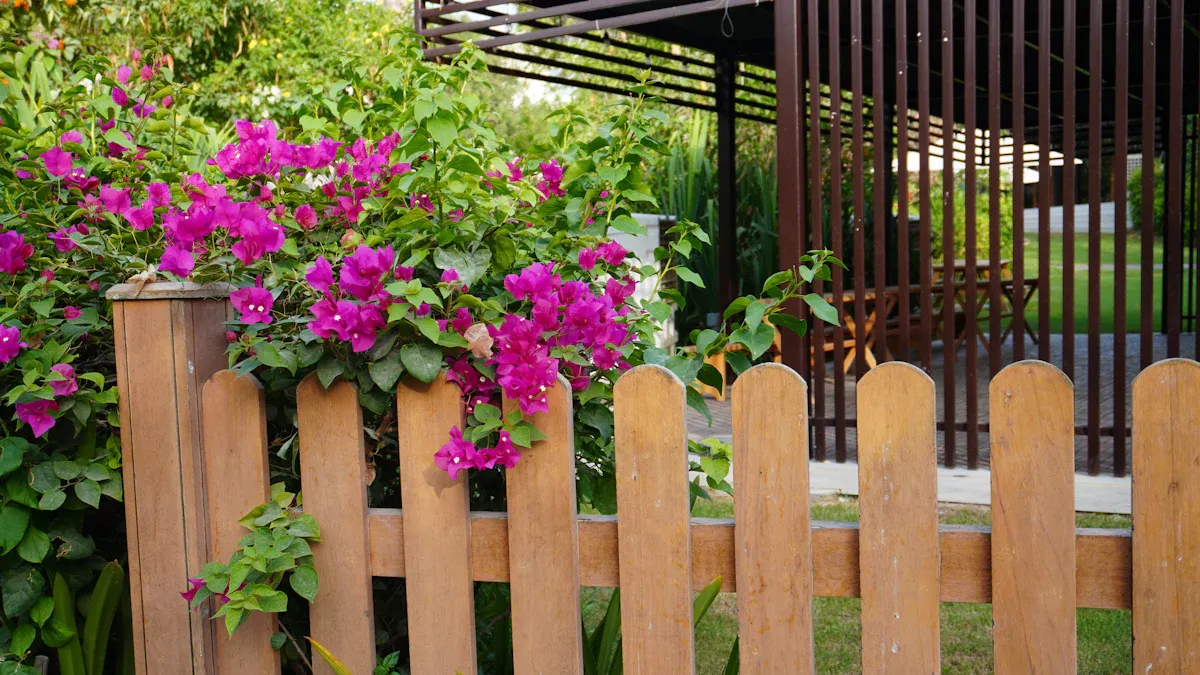
Enhancing Privacy and Security with WPC Garden Fence
You can greatly improve your outdoor living with a WPC garden fence. These fences offer excellent privacy. They block views from neighbors and passersby. WPC wall panels create an effective barrier. You can install them at desired heights and densities. Standard sizes often come as 6ft x 6ft (183 x 183 cm). However, you can customize these panels to meet your specific height and dimension needs. The system offers modular components. These include Slat Fence, 2D Wood Grain, 3D Embossed, and Decorative Screens. This allows for flexible configurations.
WPC fences also boost security. You can integrate electric gate systems for automated access. Reinforced aluminum rails deter intrusion. Some models offer compatibility with smart home systems. You can even get electric gates with motion sensors. High-security options feature impact-resistant panels. These gates can offer 256-bit encryption. This provides triple intrusion resistance.
Creating Stylish Zones with WPC Garden Fence Panels
You can define distinct areas in your garden using WPC fence panels. This helps organize your outdoor space.
- Tall, solid WPC panels create private garden areas. They block visual access and reduce noise.
- Decorative fence panels add aesthetic appeal. These panels feature patterns, laser-cut designs, or artistic elements.
- Horizontal slat fences offer a contemporary style. They use horizontal WPC slats. This creates a sleek division in modern gardens.
Seamless Integration of WPC Garden Fence in Landscaping
WPC fences blend beautifully with your existing landscaping. Their natural look complements plants and hardscapes. You can choose colors and textures that match your garden's theme. This creates a cohesive and attractive outdoor environment. The fence becomes a natural part of your design.
Customization Options for Your WPC Garden Fence
You have many choices to personalize your WPC fence. WPC garden fence panels come in customized sizes. This offers flexibility for various garden designs. You can get panels to fit any yard size or shape. They come in many designs.
- Horizontal WPC Fence Panels: These feature sleek, contemporary horizontal slats.
- Vertical WPC Fence Panels: This is a traditional design offering privacy and strength.
- Decorative WPC Fence Panels: These incorporate laser-cut metal frames or artistic patterns.
- Modular WPC Fence Systems: These allow flexibility in height, color, and pattern adjustments.
- Curved or Wave-Design WPC Fence Panels: These offer an artistic, dynamic, and elegant touch.
WPC Garden Fence: A Superior Alternative to Traditional Materials
You want the best for your outdoor space. You need a fence that offers both beauty and lasting performance. WPC garden fences stand out as a superior choice when you compare them to traditional fencing materials. They combine the best features of wood and plastic. This creates a product that excels in many areas.
WPC Garden Fence vs. Wood Fences
You might consider a classic wood fence for your garden. However, WPC fences offer significant advantages over wood. Wood fences absorb water. This leads to swelling, rotting, and mold growth. WPC fencing is fully waterproof. This makes it suitable for all climates. You will find WPC resists moisture, rain, snow, and humidity. This prevents warping, decaying, or termite damage.
- WPC fencing is fully waterproof. It suits all climates.
- Traditional wood fencing absorbs water. This causes swelling, rotting, and mold.
- WPC resists moisture, rain, snow, and humidity. It prevents warping, decaying, or termite damage.
- WPC maintains its strength and shape for decades. You do not need to replace rotten boards. You also avoid applying chemical sealants annually. Wood requires these steps.
WPC is dimensionally stable and rot-proof. It offers resistance to moisture, frost, and UV radiation. Wood can turn grey, crack, or warp due to weather. This shows its susceptibility to rot and degradation. Composite fencing products are extremely waterproof and moisture-proof. They are also moth-proof and anti-mildew. This prevents biological degradation. These properties give WPC fences long-lasting durability. This is a significant advantage over materials prone to rot.
WPC Garden Fence vs. Vinyl Fences
You might also look at vinyl fences. They offer good weather resistance. Vinyl fences have strong UV resistance. Their stable molecular structure helps them maintain stable performance. This happens even in harsh climates. Vinyl fences hardly fade or age with long-term direct sunlight. They keep their original color and gloss. This contributes to lasting aesthetic appeal.
However, WPC fences offer different benefits.
- WPC fencing panels may experience some color fading over time. This happens due to UV ray exposure. Quality products are treated to minimize this effect.
You should also consider the environmental impact.
| Feature | Vinyl Fence | WPC Fence |
|---|---|---|
| Lifespan | 15–20 years | 20+ years |
| Maintenance | Moderate (cleaning) | Low (simple wash) |
| Eco-Friendliness | Made from virgin plastic | Uses recycled materials |
| Pest Resistance | Resistant | Resistant |
| Weather Resistance | Can crack in cold | Highly resistant |
WPC fences use recycled plastic and wood fibers. This diverts waste from landfills. It promotes a circular economy. WPC fences last 20+ years. This reduces the need for frequent replacements. It also lowers demand for raw materials. WPC fencing eliminates the need for toxic sealants or paints. It only requires easy cleaning. This prevents chemical release into the environment. Vinyl comes from petroleum products. This contributes to a high carbon footprint during production. Many vinyl products end up in landfills. This is due to limited recycling facilities. Vinyl does not biodegrade. This poses long-term disposal challenges.
WPC Garden Fence vs. Metal Fences
You might think about metal fences for strength. However, metal fences have their drawbacks. Metal fences can rust over time. This is especially true in wet and humid environments or near the ocean. Metal fences are prone to rusting where posts meet the ground. Composite (WPC) fences offer a longer lifespan. This is due to their resistance to rust.
- Metal fences can rust over time. This happens in wet and humid environments.
- Metal fences are prone to rusting where posts meet the ground.
- Composite (WPC) fences offer a longer lifespan. This is due to their resistance to rust.
- WPC fences do not rust or erode.
- Metal fences can rust if you do not maintain them properly.
WPC fences also offer a warmer, more natural appearance. They fit well in home yards. Metal fences can rust and feel less comfortable in the sun. WPC fence panels bring balance and warmth to a garden. They offer an elegant and soft look. This blends smoothly with various landscapes. Metal can feel industrial. You can choose from many colors and textures for WPC. These range from natural oak tones to charcoal grey. This allows WPC panels to match or contrast with plants, paving, or decking. This creates visual harmony.
- WPC fence panels bring balance and warmth to a garden. They offer an elegant and soft look. This blends smoothly with various landscapes. Metal can feel cold.
- You can find a wide range of colors and textures. These include natural oak tones to charcoal grey. WPC panels can match or contrast with plants, paving, or decking. This creates visual harmony.
- WPC fencing offers different panel styles. These adjust light, airflow, and enclosure. You can choose solid panels for maximum privacy. Semi-open designs allow natural light. Decorative screens offer partial views and artistic charm.
- Metal is strong. It can rust and feel industrial in a garden. WPC combines the beauty of wood with the durability of plastic. It offers resilience without the drawbacks of traditional materials.
You can also customize WPC fences. WPC fence panels provide extensive customization. This includes privacy designs. You can have total seclusion or mild-trellis styles. You can choose woven or carved patterns for an artistic touch. Many colors are available. These include teak, dark grey, antique finishes, rosewood, caramel, and oak. Some WPC systems allow both sides of the fence to look the same. Carved panels can feature laser-cut patterns. These match your personal style or yard themes.
Long-Term Value and Cost-Effectiveness of WPC Garden Fence
You want a fence that saves you money over time. WPC fences offer excellent long-term value and cost-effectiveness. While the initial cost might be slightly higher, you save money in the long run.
| Feature | WPC Garden Fencing | Traditional Wood Fencing |
|---|---|---|
| Maintenance Costs | Very low (minimal upkeep, no painting required) | High (needs regular painting, sealing, and treatments) |
| Long-Term Value | High (low upkeep and long-lasting performance) | Moderate (higher long-term maintenance costs) |
WPC fences eliminate the need to buy paint, sealants, insect repellents, and cleaning supplies. These are necessary for wood fences. WPC fences resist fading and pest damage. This leads to significant savings on upkeep costs over time.
- Cleaning: WPC requires only occasional cleaning. Use mild soap and water or gentle pressure washing.
- Staining and Painting: WPC does not require regular staining or painting. It resists fading, discoloration, and weathering.
- Repairs: You can often easily replace damaged panels. You do not need to replace the entire fence.
- Winter Care: WPC is less susceptible to damage from snow, ice, and freezing temperatures. This prevents cracking, warping, or brittleness.
WPC fences may have a slightly higher initial cost. However, their exceptional durability and longevity, combined with minimal upkeep, translate to significant cost savings. This happens over the lifetime of the fence. You eliminate the need for frequent replacements or extensive maintenance. This makes them a wise and cost-effective choice.
Consider the typical installation costs:
| Fencing Material | Typical Installation Cost (per linear foot) |
|---|---|
| WPC (Composite) | $15 to $30 |
| Vinyl | $10 to $25 |
| Wood | $10 to $20 |
| Metal (Wrought Iron) | $20 to $40 |
You can see that WPC installation costs are competitive. When you factor in the low maintenance and long lifespan, the overall value becomes clear.
You now understand WPC garden fences are a top contender for future outdoor decor. They combine durability, low maintenance, and aesthetic appeal. This makes them an ideal, future-proof choice for your home.
Investing in a WPC garden fence is a smart decision. You create modern, sustainable, and beautiful outdoor living spaces.
FAQ
How much maintenance does a WPC garden fence need?
You only need to clean your WPC fence occasionally. Use soapy water and a soft brush. You do not need to paint, stain, or seal it.
What is the lifespan of a WPC garden fence?
Your WPC garden fence can last 15 to 25 years or more. It resists rot, insects, and weather damage. This makes it a long-lasting choice.
Are WPC garden fences good for the environment?
Yes, WPC fences are eco-friendly. They use recycled wood and plastic materials. This reduces waste and helps protect natural resources. (plant seedling emoji)