





How to Evaluate Outdoor WPC Wall Panels for Quality
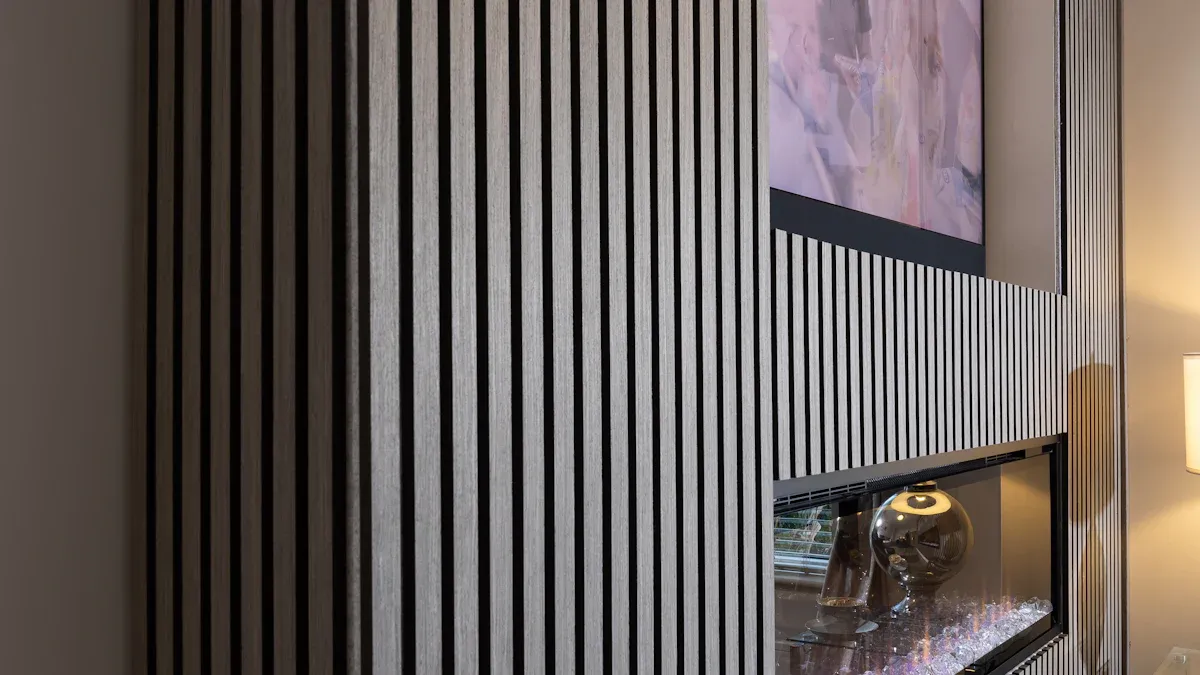
When selecting outdoor WPC Wall Panels, quality plays a crucial role. High-quality wall WPC panels not only enhance aesthetics but also ensure durability and longevity. Several factors influence the evaluation process, including the type of raw materials used, manufacturing techniques, and adherence to industry standards, especially when sourcing from a reputableWPC wall panel factory.
Here are some key factors that can affect your assessment of Wpc Wall Panels, particularly those that are waterproof:
- Raw Material Availability
- Regulatory Policies
- Consumer Awareness
- Durability and Lifecycle Costs
Additionally, consider the benefits of WPC wood slat wall panels for a unique design. By understanding these elements, buyers can make informed choices that align with their needs.
Key Takeaways
- Choose WPC wall panels made from a blend of wood fibers and high-grade plastics for strength and durability.
- Look for panels with a balanced composition ratio of wood to plastic to ensure optimal performance and moisture resistance.
- Select panels with industry certifications to guarantee quality and responsible sourcing of materials.
- Regularly clean and maintain your WPC panels to extend their lifespan and keep them looking great.
- Consider the manufacturer's warranty and reputation to ensure you invest in high-quality, reliable WPC wall panels.
Key Features of Outdoor WPC Wall Panels
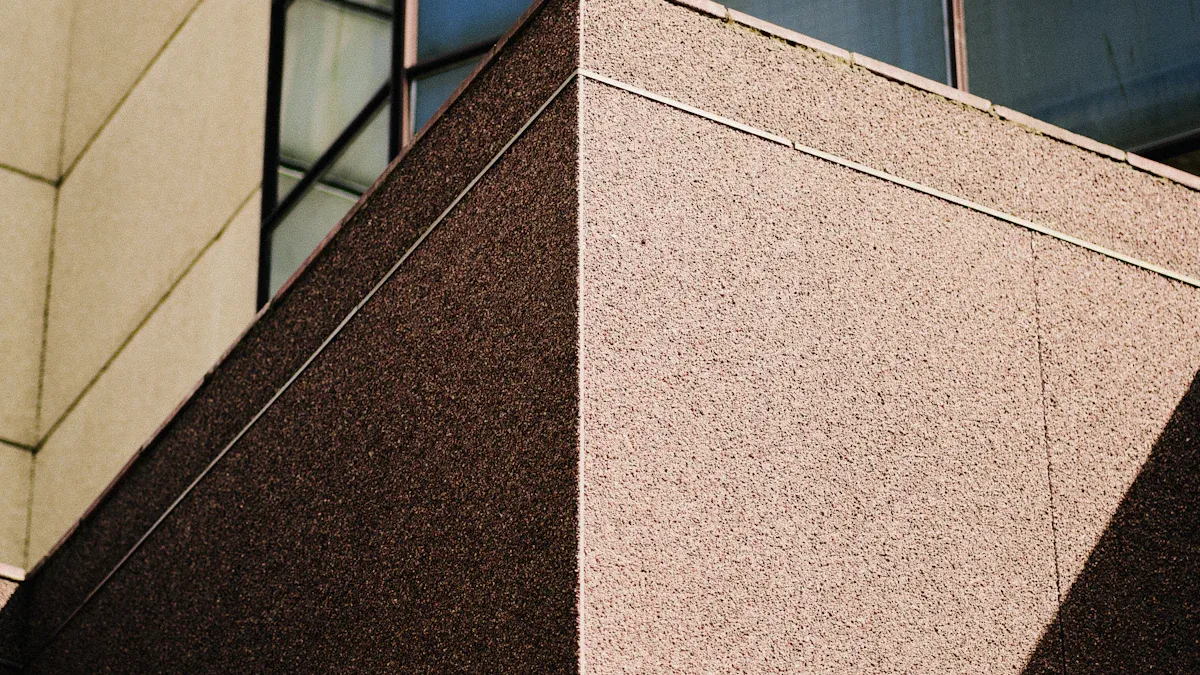
When evaluating outdoor WPC wall panels, several key features stand out. These features not only enhance the panels' functionality but also contribute to their overall appeal. Here’s what to look for:
-
Material Composition: High-quality outdoor WPC wall panels typically consist of a blend of wood fibers and high-grade plastics. This combination provides strength and durability. The table below outlines the primary material components used in these panels:
Component Description Wood Fibers Provide strength and stability, derived from sustainably sourced wood. High-Grade Plastics Include polyethylene (PE) or polypropylene (PP) for durability and moisture resistance. Additives UV stabilizers and colorants enhance performance and aesthetics. -
Composition Ratio: The ratio of wood fiber to plastic significantly impacts the performance of WPC wall panels. A balanced composition ensures optimal density and moisture absorption. Here’s a breakdown of how different ratios affect performance:
Material Type Composition Ratio (%) Performance Impact Plastic Matrix 50–70% Influences density and moisture absorption Plant Fibers 30–50% Affects structural integrity and density Density 1.1–1.4 g/cm³ Higher wood fiber content leads to lower density Water Absorption <2% for PVC/PE Lower absorption compared to PP blends -
Thickness and Density: The thickness and density of outdoor WPC wall panels are crucial for their performance. Standard ranges typically fall between a few millimeters to 1 inch in thickness, with densities around 1.20-1.32 g/cm³. These specifications ensure that the panels can withstand various environmental conditions.
Property Range Density 1.20-1.25 g/cm³ 1.28-1.32 g/cm³ 1.24-1.28 g/cm³ Thickness A few millimeters to 1 inch -
Surface Finishes: Outdoor WPC wall panels come in various surface finishes, such as smooth, matte, and embossed wood grain textures. These finishes not only enhance the visual appeal but also contribute to durability and low maintenance needs. The engineering of WPC panels allows them to withstand harsh weather conditions, making them a reliable choice for outdoor applications.
-
Certifications and Standards: Look for panels that meet industry certifications. These certifications ensure that the panels are made from responsibly sourced materials and adhere to quality standards. Here are some relevant certifications:
Certification Description FSC Forest Stewardship Council certification ensures that products come from responsibly managed forests. CE Indicates compliance with European safety and quality standards. ISO 9001:2008 International standard for quality management systems. SGS A leading inspection, verification, testing, and certification company, ensuring product quality and safety.
By focusing on these key features, buyers can better assess the quality of outdoor WPC wall panels. This knowledge empowers them to make informed decisions that align with their specific needs and preferences.
Durability and Performance Ratings of WPC Wall Panels

When it comes to outdoor WPC wall panels, durability is a key factor that buyers should consider. These panels are designed to withstand various environmental challenges, making them a popular choice for exterior applications. Let’s dive into some important aspects of their durability and performance ratings.
Lifespan
The average lifespan of outdoor WPC wall panels typically ranges from 15 to 25 years. However, with proper maintenance, some high-quality panels can last even longer, reaching up to 30 years. This longevity makes WPC panels a more durable option compared to traditional wood, which often requires more frequent replacement due to wear and tear.
Moisture Resistance
One of the standout features of outdoor WPC wall panels is their impressive moisture resistance. These panels have a water absorption rate of less than 2%, while traditional wood panels can absorb 10-15% of water. This significant difference means that WPC panels are less likely to warp, rot, or swell, making them ideal for damp or humid environments.
Tip: Choosing WPC panels can save you from the headaches of mold and rot that often plague wooden materials.
Fire Resistance
Safety is another crucial aspect of durability. Outdoor WPC wall panels are engineered to meet Class A fire ratings. This means they have a higher ignition point and release less heat during a fire. They also emit minimal smoke and toxic gases, enhancing safety for anyone nearby. Here’s a quick overview of their fire resistance features:
| Feature | Description |
|---|---|
| Fire Resistance | Engineered to meet Class A fire ratings, indicating a higher ignition point and reduced heat release. |
| Low Smoke and Toxic Gas Emission | Emits minimal smoke and toxic gases during a fire, enhancing safety for occupants. |
| Inhibition of Fire Spread | Designed to slow down or prevent the spread of fire, acting as a barrier in case of fire incidents. |
| Compliance with Regulations | Meets necessary fire resistance standards required by building codes, ensuring safety and legality. |
Impact and Load-Bearing Performance
WPC wall panels also perform well under stress. Their strength comes from the careful balance of wood and plastic in their composition. Thicker panels can handle more weight, and proper installation is crucial for maximizing load-bearing capacity. Here’s a breakdown of factors affecting their performance:
| Factor | Description |
|---|---|
| Composition | The ratio of wood to plastic affects strength and moisture resistance. |
| Panel Thickness | Thicker panels can handle more weight due to larger cross-sectional area. |
| Installation Method | Proper installation increases load-bearing capacity; poor installation can lead to failure. |
| Environmental Conditions | Extreme temperatures and humidity can affect the panels' performance and structural integrity. |
| Testing Methods | Manufacturers conduct static and dynamic load tests to assess how panels respond to weight and impacts. |
Common Causes of Degradation
Even the best outdoor WPC wall panels can face challenges over time. Here are some common causes of degradation:
| Cause | Description |
|---|---|
| Material Defects | Issues like surface cracks, discoloration, and warping due to inconsistent manufacturing processes. |
| Installation Challenges | Problems arising from misalignment, uneven spacing, and inadequate fastening during installation. |
| Moisture Damage | Absorption of moisture due to improper storage conditions or inadequate substrate preparation. |
| Fading and Discoloration | Inferior pigmentation leading to quicker fading and potential surface deterioration. |
| Structural Weakness | Vulnerability to impacts and excessive loads causing cracks and deformation. |
| Environmental Factors | External conditions affecting the integrity and appearance of the panels over time. |
Maintenance Considerations for Outdoor WPC Wall Panels
Maintaining outdoor WPC wall panels is straightforward, making them a popular choice for homeowners. Unlike traditional wood, which demands regular upkeep, WPC panels require minimal maintenance. Here are some essential tips to keep your panels looking great and performing well:
-
Regular Cleaning: Clean your panels at least twice a year. Use a soft cloth or sponge with warm, soapy water. Rinse with a garden hose to remove any dirt or debris. For stubborn stains, a soft-bristled brush can help.
-
Seasonal Maintenance:
- Spring: After winter, give your panels a thorough cleaning and check for any damage.
- Summer: Protect against UV damage by applying a UV-protective coating if necessary.
- Fall: Clean and inspect for repairs, and remove any debris that may have accumulated.
- Winter: Avoid harsh chemicals. Instead, gently remove snow and ice to prevent damage.
-
Avoid Harsh Chemicals: Steer clear of bleach and ammonia. These can harm the surface of your WPC panels. Instead, opt for environmentally friendly cleaning products.
-
Dust Regularly: Use a soft-bristle brush or microfiber cloth to dust your panels. This simple step helps maintain their appearance.
-
Spill Management: If you spill something on your panels, blot it with a clean, damp cloth. Use warm water and gentle dish soap to clean the area, then rinse and dry thoroughly.
By following these maintenance tips, homeowners can enjoy the benefits of outdoor WPC wall panels without the hassle of constant upkeep. Compared to natural wood, which needs regular staining and sealing, WPC panels offer a wood-like appearance with far less effort.
Warranty and Manufacturer Reputation for WPC Wall Panels
When choosing outdoor WPC wall panels, understanding the warranty and the manufacturer's reputation is essential. A solid warranty not only protects your investment but also reflects the manufacturer's confidence in their product. Here’s what to consider:
Warranty Types
Most leading manufacturers offer various warranty types. Here’s a quick overview:
| Warranty Type | Description | Duration Example |
|---|---|---|
| Limited Warranty | Covers specific issues like structural defects and color fading. | 10-year limited warranty |
| Lifetime Warranty | Refers to the expected lifespan of the product, with conditions. | Lifetime (conditions apply) |
Warranty Lengths and Coverage
Different brands provide varying warranty lengths and coverage details. Here’s a comparison of some popular brands:
| Brand | Warranty Length | Coverage Details |
|---|---|---|
| Brand A | 20-30 years | Covers defects in materials and craftsmanship |
| Brand B | 15 years | Repair or replace for free during warranty period |
High-quality WPC panels typically last between 20 to 30 years. Warranties often reflect this lifespan, so always check the specifics. Here’s a simple process to follow regarding warranties:
- Warranty period starts from the day of order.
- If a malfunction occurs, contact customer service.
- Repairs or replacements will be handled free of charge.
Assessing Manufacturer Reputation
A manufacturer’s reputation can significantly impact your decision. Here are some criteria to consider:
| Criteria | Rating (1-5) | Certifications | Lead Time (Days) | Price Range (per sqm) |
|---|---|---|---|---|
| Material Quality | 4 | ISO 9001 | 15 | $30 - $50 |
| Customer Support | 5 | None | 10 | $25 - $45 |
| Sustainability Practices | 4 | FSC Certified | 20 | $40 - $60 |
| Product Range | 5 | CE Marking | 18 | $35 - $55 |
| Delivery Options | 4 | None | 12 | $28 - $48 |
Good quality WPC panels should meet strict industry benchmarks. Certifications like ISO 9001 for quality management and CE marking for safety compliance indicate a manufacturer’s commitment to excellence.
Tip: Always look for transparency in manufacturing processes and check customer reviews. These insights can help you gauge reliability and reputation.
By considering warranty options and manufacturer reputation, buyers can make informed decisions about their outdoor WPC wall panels.
Comparing Outdoor WPC Wall Panels with Other Materials
When it comes to choosing materials for outdoor wall panels, many options exist. Each material has its pros and cons, but outdoor WPC wall panels stand out for several reasons. Let’s compare them with traditional wood, PVC, and metal panels.
Durability
Durability is a significant factor in any material choice. Here’s how outdoor WPC wall panels stack up against traditional wood:
| Feature | Traditional Wood | WPC Wall Panels |
|---|---|---|
| Durability | Prone to cracks, warping, and termite attacks. | Engineered to withstand impact and harsh conditions. |
| Moisture Resistance | Absorbs water, leading to rotting and mold growth. | Non-porous, resistant to water and moisture. |
| Maintenance | Requires regular upkeep (sanding, painting). | Minimal maintenance; just a wipe with soap and water. |
| Lifespan | Lasts 10–15 years with care; shorter without. | Designed to last 20–30 years with minimal effort. |
Cost Comparison
Cost is another crucial aspect. Here’s a breakdown of initial and long-term costs over ten years:
| Panel Type | Initial Cost | Long-term Cost (10 years) | Maintenance Needs |
|---|---|---|---|
| Natural Wood | Highest | Highest | Regular maintenance needed |
| PVC Panels | Lowest | Short lifespan | Frequent replacement |
| ACP Panels | High | Durable | Little maintenance needed |
| WPC Panels | Mid-range | Most cost-efficient | Low maintenance |
Environmental Impact
WPC wall panels are eco-friendly. They use recycled materials, reducing waste and the need for new resources. In contrast, traditional wood can lead to deforestation, while vinyl comes from non-renewable resources. Plus, WPC's durability means it requires less frequent replacement, minimizing environmental impact over time.
Installation Ease
Installation can be a hassle with some materials. WPC panels are easier to install than traditional wood, vinyl, or metal siding. They require less maintenance than natural wood, which needs regular upkeep to prevent damage. Here are some key points:
- WPC panels are lighter and designed for simpler installation.
- Vinyl can become brittle and fade, while WPC maintains its color.
- Metal panels often need specialized tools for installation.
Advantages of WPC Panels
Architects and builders frequently cite several advantages of outdoor WPC wall panels:
- Fire Resistance: They are self-extinguishing, enhancing safety.
- Customizable Design: Available in various textures and colors.
- Cost-Effective: Minimal upkeep leads to long-term savings.
In summary, evaluating outdoor WPC wall panels involves several key criteria. Buyers should consider material composition, durability, maintenance needs, and manufacturer reputation. A thorough quality assessment leads to long-term satisfaction and performance. High-quality WPC panels resist moisture, rot, and pests, ensuring durability. They also require minimal maintenance, which saves money over time.
Choosing the right outdoor WPC wall panel not only enhances the aesthetic appeal of a property but also provides lasting value. With their unique blend of wood and plastic, these panels offer strength and resilience, making them an excellent choice for any project.
FAQ
What are WPC wall panels made of?
WPC wall panels consist of a blend of wood fibers and high-grade plastics. This combination provides strength, durability, and moisture resistance, making them ideal for outdoor use.
How long do WPC wall panels last?
Typically, outdoor WPC wall panels last between 15 to 30 years, depending on the quality and maintenance. Proper care can extend their lifespan significantly.
Are WPC wall panels environmentally friendly?
Yes! WPC wall panels use recycled materials, reducing waste. They also require less frequent replacement than traditional wood, minimizing their overall environmental impact.
How do I clean WPC wall panels?
Cleaning is simple! Use warm, soapy water and a soft cloth or sponge. Rinse with a garden hose. Avoid harsh chemicals to maintain the panels' surface.
Can WPC wall panels withstand extreme weather?
Absolutely! WPC wall panels are designed to resist moisture, UV rays, and temperature fluctuations. Their durability makes them suitable for various outdoor conditions.
