





UV-Resistant WPC: The Secret to Long-Lasting Bali Villa Seaside Terraces
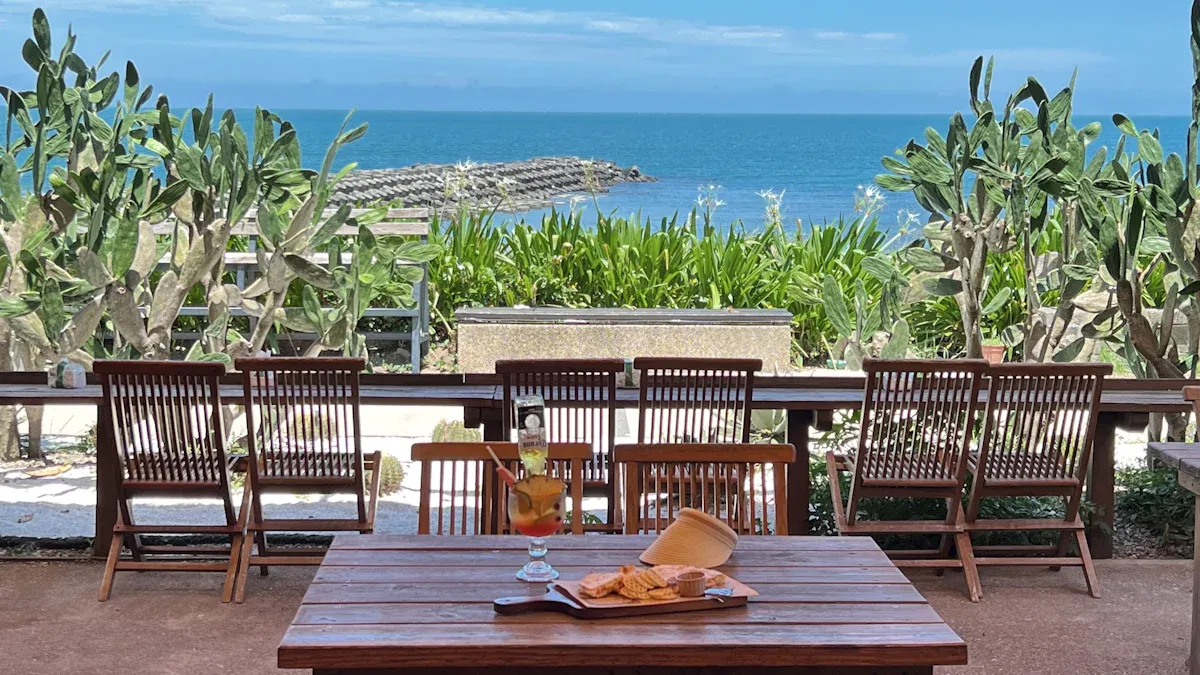
UV-resistant WPC plays a crucial role in enhancing the longevity of seaside terraces in Bali villas. Coastal environments demand materials that withstand harsh weather conditions. WPC 3D Embossed Decking provides homeowners with an opportunity to achieve both aesthetic beauty and lasting resilience. By choosing UV-resistant WPC, they ensure their outdoor spaces remain stunning and functional for years to come.
Key Takeaways
- UV-resistant WPC offers exceptional durability, making it perfect for seaside terraces that face harsh weather.
- This material resists fading and maintains its color, ensuring your outdoor spaces look great for years.
- WPC requires minimal maintenance compared to traditional wood, saving you time and money on upkeep.
- Homeowners can choose from a wide variety of styles and finishes, allowing for beautiful and customized outdoor designs.
- Investing in UV-resistant WPC can enhance your property's value and appeal to potential buyers.
- Proper installation and regular inspectionsare key to maximizing the lifespan of your Wpc Terraces.
- WPC is eco-friendly, often made from recycled materials, making it a sustainable choice for your home.
- This material is safe for children and pets, featuring an anti-slip surface that reduces accidents.
Benefits of UV-Resistant WPC
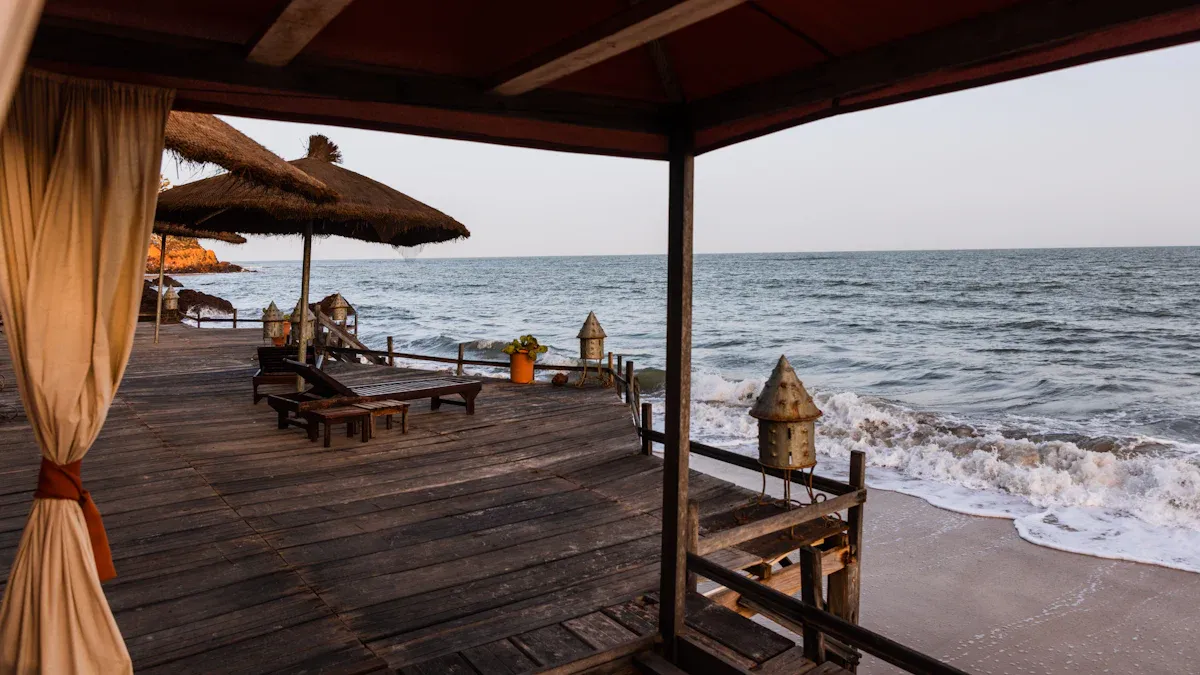
Exceptional Durability
UV-resistant WPC offers remarkable durability, making it an ideal choice for seaside terraces. Scientific studies confirm its resilience in coastal climates. For instance, testing protocols such as ASTM D7031 demonstrate that WPC meets stringent standards for color stability, showing less than 3% color shift after 500 hours of UV exposure. Additionally, the material exhibits impressive gloss retention, certified for 90% after replicating 15 years of solar exposure through ISO 4892 testing.
| Testing Protocol | Description | Results |
|---|---|---|
| ASTM D7031 | 500-hour cyclic exposure to 340nm UV radiation at 63°C | Meets ASTM standards for ≤3% color shift |
| ISO 4892 | Xenon-arc testing replicating 15-year solar exposure | Certified for 90% gloss retention |
| Freeze-Thaw Endurance | 300 cycles between -29°C and 43°C | Measures dimensional stability below 0.5% expansion |
These results highlight the ability of WPC to withstand the harsh conditions typical of coastal environments, ensuring that terraces remain intact and visually appealing over time.
Weather Resistance
Weather resistance is another significant advantage of UV-resistant WPC. This material effectively combats the challenges posed by heavy rainfall, high humidity, and salt exposure. Unlike traditional wood, which can warp or rot, WPC maintains its structural integrity even in extreme weather conditions.
- Hurricane Alley Installation: A Florida coastal home withstood 150mph winds during a Category 4 storm in 2022, with zero panel losses.
- Desert Climate Performance: A Dubai high-rise demonstrated a surface temperature tolerance of 82°C after ten years of exposure.
These examples illustrate how UV-resistant WPC performs exceptionally well in diverse climates, making it a reliable choice for homeowners in Bali.
Low Maintenance Requirements
Homeowners appreciate the low maintenance requirements of UV-resistant WPC. Unlike traditional wood, which demands regular staining and sealing, WPC requires minimal upkeep. The typical maintenance tasks include:
- Regular Cleaning: Sweep or use a leaf blower to remove debris, sand, and leaves from the surface.
- Rinsing with Water: Periodically rinse the boardwalk to remove salt and sand.
- Avoid Harsh Chemicals: Use mild, non-abrasive cleaners only.
- Inspect for Damage: Regularly check for wear and replace damaged sections.
This streamlined maintenance process saves homeowners both time and money. Studies indicate that WPC lasts up to three times longer than traditional wood decking, further reducing long-term costs associated with repairs and replacements.
| Aspect | Wpc Decking | Traditional Wood Decking |
|---|---|---|
| Installation Time | Reduced by more than 40% | Standard installation time |
| Maintenance Frequency | Minimal maintenance required | Regular maintenance needed |
| Lifespan | Up to three times longer | Shorter lifespan |
| Cost Over Time | Higher ROI due to lower upkeep | Higher long-term costs |
Comparison with Traditional Materials
WPC vs. Natural Wood
When comparing WPC to natural wood, several key differences emerge, particularly in terms of longevity and maintenance. Natural wood, while aesthetically pleasing, faces significant challenges in coastal environments.
- Moisture Issues: Salt air draws moisture into hardwood, leading to expansion and potential warping. Continuous moisture absorption results in the loss of protective finishes, causing further damage.
- Signs of Damage: Homeowners may notice discoloration, uneven boards, and structural issues over time.
In contrast, WPC panels resist UV degradation due to the presence of UV inhibitors and stabilizers. This resistance helps maintain both color and structural integrity. Unlike traditional wood, WPC remains impervious to saltwater damage, which is crucial for seaside terraces.
While WPC may have a higher initial cost, its longevity and low maintenance requirements make it a cost-effective choice over time. The following table illustrates the cost differences between WPC and natural wood:
| Item | WPC Wall Panel | Wood Wall Panel |
|---|---|---|
| Cost | High initial cost, but low maintenance | Lower, but higher long-term maintenance cost |
WPC only requires occasional cleaning with soap and water, while natural wood demands sanding, staining, and sealing every few years. This difference in upkeep significantly impacts long-term costs.
WPC vs. Composite Alternatives
When evaluating WPC against other composite alternatives, the differences in composition and performance become apparent. The following table summarizes these distinctions:
| Material | Composition | UV Resistance | Durability |
|---|---|---|---|
| WPC | 50-70% wood dust, 30-50% thermoplastic polymers | Excellent | Superior |
| PVC | Primarily PVC resin | Poor (becomes brittle) | Moderate |
WPC stands out due to its superior UV resistance and durability. While PVC alternatives may be less expensive initially, they often become brittle over time, leading to potential failures. WPC, on the other hand, maintains its integrity and appearance, making it a more reliable choice for outdoor applications.
Aesthetic Appeal
Homeowners often prioritize aesthetics when designing their seaside terraces. UV-resistant WPC offers a wide range of styles and finishes, allowing for customization that suits any villa's design. This versatility enables homeowners to create stunning outdoor spaces that complement the natural beauty of Bali.
Variety of Styles and Finishes
The selection of colors, textures, and finishes available for UV-resistant WPC products is extensive. Homeowners can choose from various options to achieve their desired look. The following table illustrates some popular color categories and examples:
| Color Category | Examples |
|---|---|
| Natural wood tones | Teak, Oak, Walnut, Mahogany, Cherry |
| Neutral colors | Light brown, Beige, Sand, Ivory, light gray, Dark gray |
| Earthy tones | Brown, Coffee, Charcoal, Slate |
This variety allows homeowners to match their terraces with the surrounding environment or the architectural style of their villas. For instance, a Bali villa may pair teak WPC with hammered copper accents, creating a tropical-luxe vibe that enhances the overall aesthetic.
Enhancing Property Value
Investing in UV-resistant WPC not only improves the appearance of a property but also significantly enhances its marketability. Real estate agents in Bali recognize the advantages of using this material. The following table highlights key metrics comparing traditional wood to anti-mold WPC:
| Metric | Traditional Wood | Anti-Mold WPC |
|---|---|---|
| Annual Maintenance Cost | $12/m | $2.3/m |
| Material Replacement Rate | 38% (2020-2023) | 0% |
| Guest Complaints About Aesthetics | 27/year | 2/year |
The data shows that UV-resistant WPC reduces annual maintenance costs and eliminates the need for frequent replacements. Additionally, properties featuring WPC experience fewer guest complaints about aesthetics, making them more appealing to potential buyers. This combination of beauty and practicality positions UV-resistant WPC as a valuable investment for homeowners looking to enhance their seaside terraces.
Installation and Maintenance Tips
Best Practices for Installation
Proper installation of UV-resistant WPC is crucial for maximizing its longevity, especially in high-humidity coastal environments. Following these best practices ensures optimal performance:
- Fastening Systems: Utilize stainless steel clips and color-matched screws with oversized holes. This approach accommodates thermal movement and resists corrosion.
- Expansion Gaps: Maintain specific gaps based on temperature ranges to prevent buckling. This practice allows the material to expand and contract without damage.
- Moisture Barriers: Install breathable housewrap, overlap seams, and use flashing. Sealing fastener holes also protects against water infiltration, which is vital in coastal areas.
- Ventilation: Ensure a 3/4" air gap beneath the decking. Incorporate vented trim and consider rainscreen systems to prevent moisture buildup, which can lead to deterioration.
By adhering to these installation guidelines, homeowners can significantly enhance the durability and performance of their seaside terraces.
Ongoing Maintenance Tips
Maintaining UV-resistant WPC terraces is straightforward, but regular inspections and care are essential for ensuring maximum longevity. The following table outlines recommended maintenance tasks and their frequencies:
| Maintenance Task | Frequency |
|---|---|
| Seasonal Rinsing | Annually |
| Coating Inspection | Annually |
| Rinsing in Extreme Climates | Bi-annual |
Homeowners should perform seasonal rinsing to remove debris and salt buildup. An annual inspection of the coating helps identify any areas needing touch-ups. In extreme climates, rinsing every six months is advisable to maintain the surface's integrity.
Additionally, homeowners should regularly check for signs of wear or damage. This proactive approach allows for timely repairs, preventing minor issues from escalating into costly replacements. By following these maintenance tips, homeowners can enjoy the beauty and functionality of their UV-resistant WPC terraces for years to come.
UV-resistant WPC serves as a game-changer for Bali villa seaside terraces. Homeowners benefit from its exceptional durability, low maintenance, and aesthetic appeal. The following table highlights the most significant advantages reported by those who have installed UV-resistant WPC:
| Benefit | Description |
|---|---|
| Durability | WPC decking is more durable than traditional wood due to its HDPE content, resisting fading, staining, and mold. |
| Waterproofing | Unlike wood, WPC is fully water-resistant, preventing issues like warping and rotting in moist conditions. |
| Anti-slip | The surface treatment of WPC makes it less slippery, reducing safety hazards in wet conditions. |
| UV Resistance | WPC has strong UV resistance, maintaining its appearance for 6-7 years in outdoor environments without significant change. |
Investing in UV-resistant WPC ensures long-lasting beauty and functionality for outdoor spaces, making it an ideal choice for homeowners seeking to enhance their properties.
FAQ
What is UV-resistant WPC?
UV-resistant WPC, or Wood Plastic Composite, combines wood fibers and thermoplastic materials. This composition enhances durability and resistance to UV rays, making it ideal for outdoor applications.
How long does UV-resistant WPC last?
UV-resistant WPC can last up to 25 years with proper maintenance. Its resistance to weathering and UV degradation significantly extends its lifespan compared to traditional wood.
Is UV-resistant WPC environmentally friendly?
Yes, many UV-resistant WPC products use recycled materials. This eco-friendly approach reduces waste and minimizes the environmental impact associated with traditional wood harvesting.
Can UV-resistant WPC be painted or stained?
While UV-resistant WPC comes in various colors and finishes, homeowners can paint or stain it if desired. However, using products specifically designed for WPC is essential for optimal adhesion and durability.
How does UV-resistant WPC handle extreme weather?
UV-resistant WPC performs well in extreme weather conditions. It resists warping, cracking, and fading, making it suitable for coastal environments with high humidity and salt exposure.
What maintenance does UV-resistant WPC require?
Maintenance for UV-resistant WPC is minimal. Regular cleaning with soap and water, along with periodic inspections, ensures its longevity and appearance.
Is UV-resistant WPC safe for children and pets?
Yes, UV-resistant WPC is safe for children and pets. Its anti-slip surface reduces the risk of accidents, and it does not splinter like traditional wood.
How does UV-resistant WPC compare to PVC?
UV-resistant WPC offers superior durability and UV resistance compared to PVC. While PVC can become brittle over time, WPC maintains its structural integrity and appearance, making it a better long-term investment.
